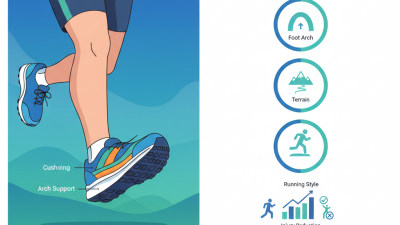
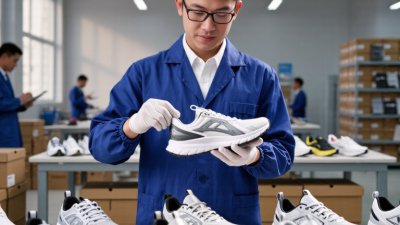
Global sourcing for Men Sports Shoes in 2026 requires more than comparing prices and catalog images. Buyers must evaluate performance, consistency, supplier capability, and changing customer expectations. A shoe that looks attractive on a screen may feel stiff, unstable, or poorly ventilated during real training. Small details matter. Check the outsole grip, heel counter, stitching, foam density, and tongue padding.
Reliable sourcing begins with clear product specifications. Define the sport, target market, size range, materials, color standards, packaging, and expected order volume. Running shoes need different cushioning from court shoes or gym trainers. Request physical samples and test them on indoor floors, pavement, and wet surfaces where practical. Record the results instead of trusting memory. It helps to compare samples under the same conditions.
Supplier verification also deserves careful attention. Review factory experience, production capacity, quality-control procedures, and communication speed. Ask how defects are recorded and corrected. Independent audits or recognized testing services can provide useful evidence, although they cannot remove every risk. Certifications should be checked for relevance and validity. A logo alone proves little.
Cost remains important, but the lowest quotation may hide weak materials, unstable sizing, or expensive rework. Calculate the total sourcing cost, including samples, inspections, freight, duties, and potential returns. Delivery forecasts may also change. Build reasonable space into the schedule.
This guide explains how to choose Men Sports Shoes for global sourcing in 2026. It focuses on practical evaluation, supplier assessment, product quality, and responsible purchasing decisions. Some assumptions will fail. Good buyers review them early.
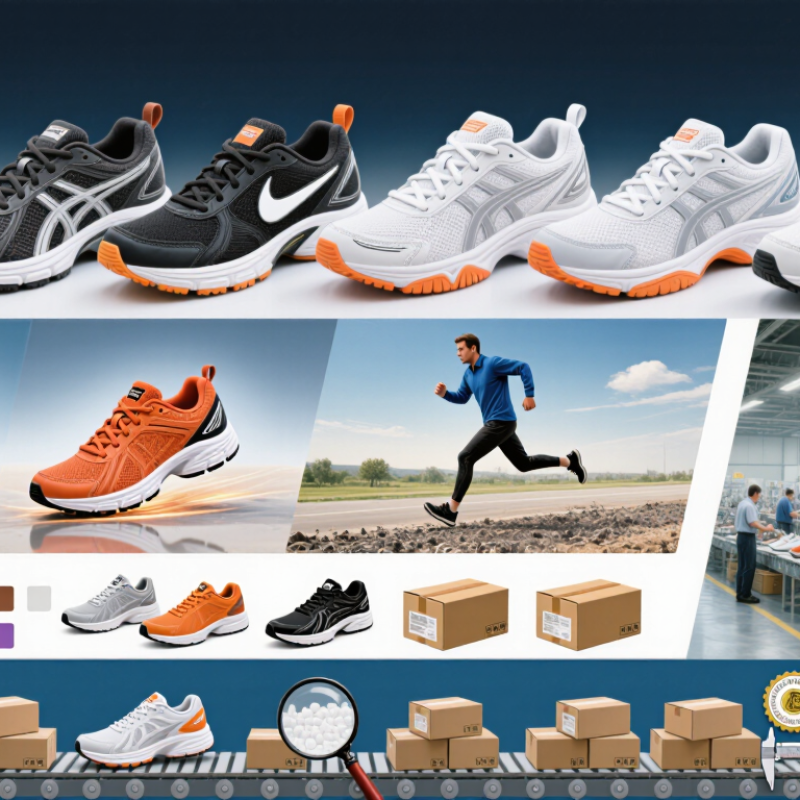
Defining performance needs is the first serious step in sourcing men’s sports shoes for 2026. A target market may value running speed, daily comfort, court stability, or outdoor traction. These needs cannot be guessed from appearance alone. Study local sports habits, age groups, training frequency, climate, and common ground surfaces before contacting factories.
For hot and humid markets, buyers may expect breathable mesh, quick-drying linings, and moisture-resistant construction. Urban runners often need flexible cushioning for concrete roads. Trail users may require deeper lugs, stronger toe protection, and secure heel support. Measure these expectations with practical tests, such as slip resistance, repeated flexing, compression recovery, and upper tear strength. Comfort also needs field trials. A laboratory result cannot fully show how a shoe feels after two hours.
Our first sample used a thick sole for extra cushioning, but several testers felt unstable on corners. That assumption was weak. We adjusted the platform width and reduced some foam, although the shoe became slightly heavier. This trade-off deserves honest discussion with suppliers. Not every market wants maximum softness. Some customers prefer direct ground feedback. Collect comments from different foot shapes, not only athletic testers. Check sizing consistency across production batches. A useful specification should describe the user, activity, surface, climate, test method, and acceptable failure rate. Perfect data is unlikely, but unclear data creates more expensive mistakes.
| Target Market Segment | Typical Use Case | Primary Surface and Climate | Performance Priority | Recommended Product Specification | Suggested Validation Method | Sourcing and Construction Implication |
|---|---|---|---|---|---|---|
| Road Running | Daily training, recreational running, road races and treadmill sessions | Asphalt, concrete, synthetic tracks; mostly urban and mixed-weather conditions | High: cushioning and durability | Lightweight engineered mesh upper; shock-absorbing foam midsole; rubber outsole coverage in high-wear areas; breathable lining; secure heel counter | Outsole abrasion testing; repeated compression testing of the midsole; flexing durability; upper-to-sole bond testing; wear trial on paved surfaces | Use zoned rubber placement to control weight and cost. Confirm foam resilience after repeated compression and temperature exposure. |
| Trail Running | Off-road running on dirt paths, gravel, mud, rocks and uneven terrain | Variable outdoor terrain; wet, dusty and temperature-changing environments | High: traction and protection | Lugged rubber outsole with directional tread; reinforced toe cap; stable heel counter; abrasion-resistant upper panels; gusseted tongue; drainage or water-resistant treatment according to the target climate | Wet and dry slip-resistance testing; outsole lug wear assessment; torsional stability check; stone-impact and toe-protection evaluation; seam and bonding inspection | Select tread geometry according to the dominant terrain. Avoid overly soft compounds when long outsole life and rocky-ground durability are required. |
| Indoor Court Sports | Basketball, volleyball, badminton, handball and indoor training | Wood, polyurethane or synthetic indoor courts; controlled indoor climate | High: lateral stability and non-marking grip | Non-marking rubber outsole; broad contact area; reinforced sidewalls; secure lace or fastening system; lateral support structure; responsive forefoot cushioning | Multi-directional traction testing; lateral movement stability assessment; outsole marking check; flex durability; heel-to-upper and sidewall bonding tests | Prioritize secure foot containment over maximum softness. Confirm that the outsole does not leave visible marks on light-colored court surfaces. |
| Outdoor Court Sports | Outdoor basketball, tennis and multi-sport court activities | Concrete, asphalt and acrylic courts; strong ultraviolet exposure and surface heat | High: outsole life and impact resistance | Higher-abrasion rubber compound; reinforced toe and forefoot; durable mesh or synthetic upper; stable midsole platform; UV-resistant color and finishing materials | Outsole abrasion test; UV and colorfastness evaluation; repeated impact testing; toe-drag wear assessment; hot-surface and aging inspection | Allocate more outsole material to the toe and lateral zones. Verify color stability and adhesive performance after heat and UV exposure. |
| Gym and Cross-Training | Strength training, circuit training, rowing, fitness classes and short-distance running | Rubber gym flooring, vinyl, indoor mats and occasional outdoor pavement | High: stability and versatility | Low-to-moderate stack height; firm heel platform; flexible forefoot; wide stable base; durable medial and lateral overlays; flat or mildly structured outsole | Heel compression and stability testing; multi-directional flex testing; sidewall durability; outsole traction on rubber flooring; repeated lace-eyelet loading | Avoid excessive running-shoe softness for lifting-focused users. Use reinforcement in areas exposed to rope climbs, lateral drills and repeated flexing. |
| Walking and Lifestyle Athletic | Commuting, travel, daily walking and casual all-day wear | Urban pavement, indoor floors and mixed seasonal conditions | High: comfort and appearance retention | Cushioned insole; breathable upper; padded collar and tongue; flexible forefoot; durable outsole; easy-clean materials; neutral visual design | Long-duration wear trial; insole compression recovery; flexing cycles; colorfastness; seam strength; wet-dry friction and outsole wear evaluation | Balance comfort materials with cleanability and visual durability. A removable insole can simplify replacement and improve product serviceability. |
| Wet and Tropical Climate | Running, walking and training in hot, humid or frequently rainy regions | High humidity, heavy rainfall, hot pavement and limited drying conditions | High: breathability and drying speed | Open engineered mesh; moisture-managing lining; corrosion-resistant eyelets; drainage-friendly construction; quick-drying insole; mildew-resistant material selection | Moisture vapor transmission assessment; drying-time comparison; water absorption measurement; corrosion inspection; odor and microbial-control evaluation where legally permitted | Avoid unnecessary waterproof membranes when rapid drying is the main need. Check color migration, adhesive stability and material odor after humid aging. |
| Cold and Wet Climate | Outdoor walking, running and training during cool or rainy seasons | Cold pavement, rain, occasional snow and low-temperature storage or transport | High: weather protection and flexibility | Water-resistant upper or membrane construction; gusseted tongue; sealed or protected seams; outsole compound retaining flexibility at low temperature; insulating insole when required | Water penetration test; low-temperature flex test; cold aging; seam and adhesive inspection; wet-surface traction assessment | Match the protection level to the end use. More waterproof construction can increase weight, heat retention, production complexity and unit cost. |
| Value-Oriented Emerging Market | General sports participation, school activities, commuting and occasional exercise | Mixed urban surfaces; climate varies by region and season | High: cost-to-performance ratio | Standard mesh upper; molded EVA or comparable foam midsole; durable rubber or rubber-blend outsole; replaceable basic insole; reinforced high-wear zones | Basic outsole abrasion; bond strength; flex durability; colorfastness; lace and eyelet strength; size consistency inspection | Simplify decorative components before reducing structural performance. Use common lasts, standardized components and modular colorways to improve purchasing efficiency. |
| Premium Performance Market | Frequent training, organized competition and users who compare technical product details | Market-specific surfaces and climates; high expectations for fit consistency | High: measurable performance and fit | Engineered upper zoning; tuned cushioning geometry; high-quality outsole compound; precise heel lockdown; low-variation production tolerances; documented material specifications | Independent laboratory testing; biomechanical wear trials; dimensional audits; midsole resilience; outsole traction; repeated use and aging tests | Require a controlled specification sheet, approved reference sample and production-quality plan. Track batch variation in weight, hardness, dimensions and bonding. |
| Inclusive and Wide-Fit Market | Users requiring additional forefoot space, higher volume or stable support | Indoor and outdoor use across walking, training and recreational sport | High: fit accommodation and comfort | Multiple width options or a genuinely roomier last; rounded toe box; adjustable lacing; stable base; smooth interior seams; size grading validated across the full range | Last and size measurement audit; pressure-point assessment; fit trials with varied foot shapes; repeated lace-eyelet loading; internal seam inspection | Do not create extra width only by stretching the upper. Review the last, outsole platform, insole dimensions and upper volume as a complete system. |